
 Deutsch (Germany)
  Polski (PL)
 Markforged, an NCMS member and creator of the world’s largest metal and carbon fiber additive manufacturing platform, the Digital Forge, today announced that it has distributed its first wave of 3D printers to manufacturers in Michigan as part of Project DIAMOnD.
Sidebar
Applications

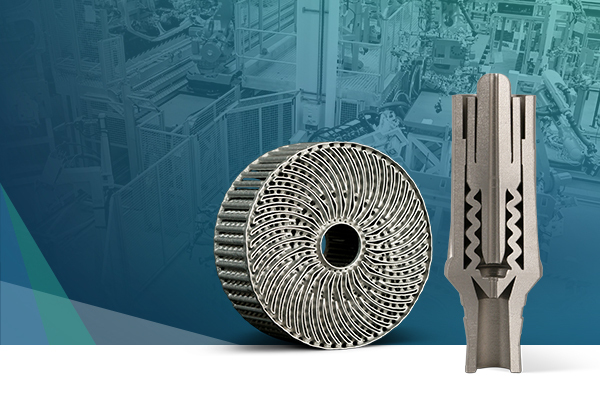
CERN's Large Hadron Collider achieves -40 ˚C cooling using 3D Systems
Engineers at CERN recently succeeded in achieving unprecedented cooling to -40˚C in the extremely confined space of the Large Hadron Collider's photon detector strip. The problem to be solved was very complex. The solution will lead to improved particle detection. But how did the engineers manage to go from a theoretically perfect design to real parts that met their strict specifications?
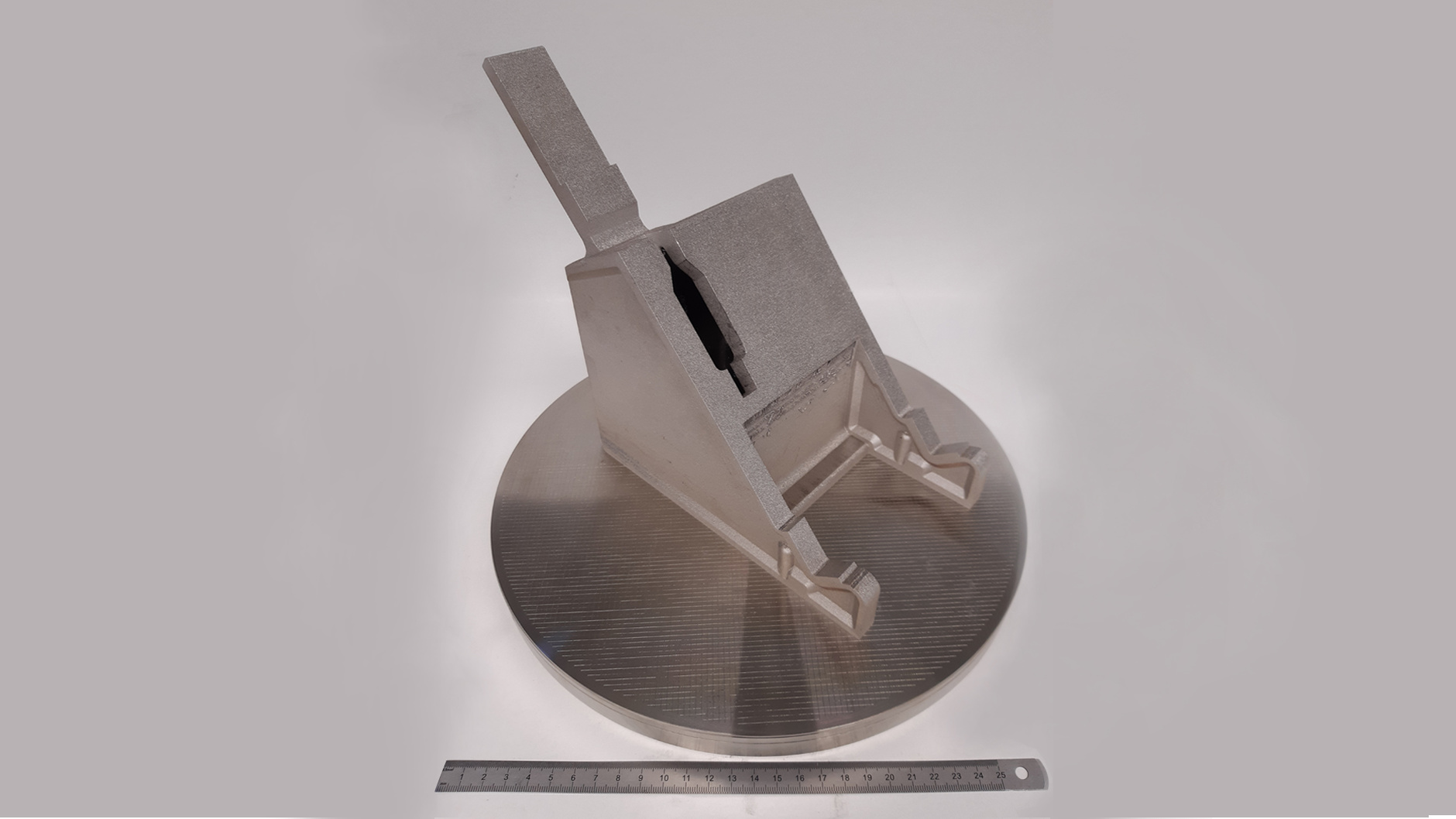
Additive manufacturing is shortening delivery times
As a leader in innovation BOBST is constantly adopting new technologies. Responding to customer needs, BOBST delivers selected spare parts using additive manufacturing methods.
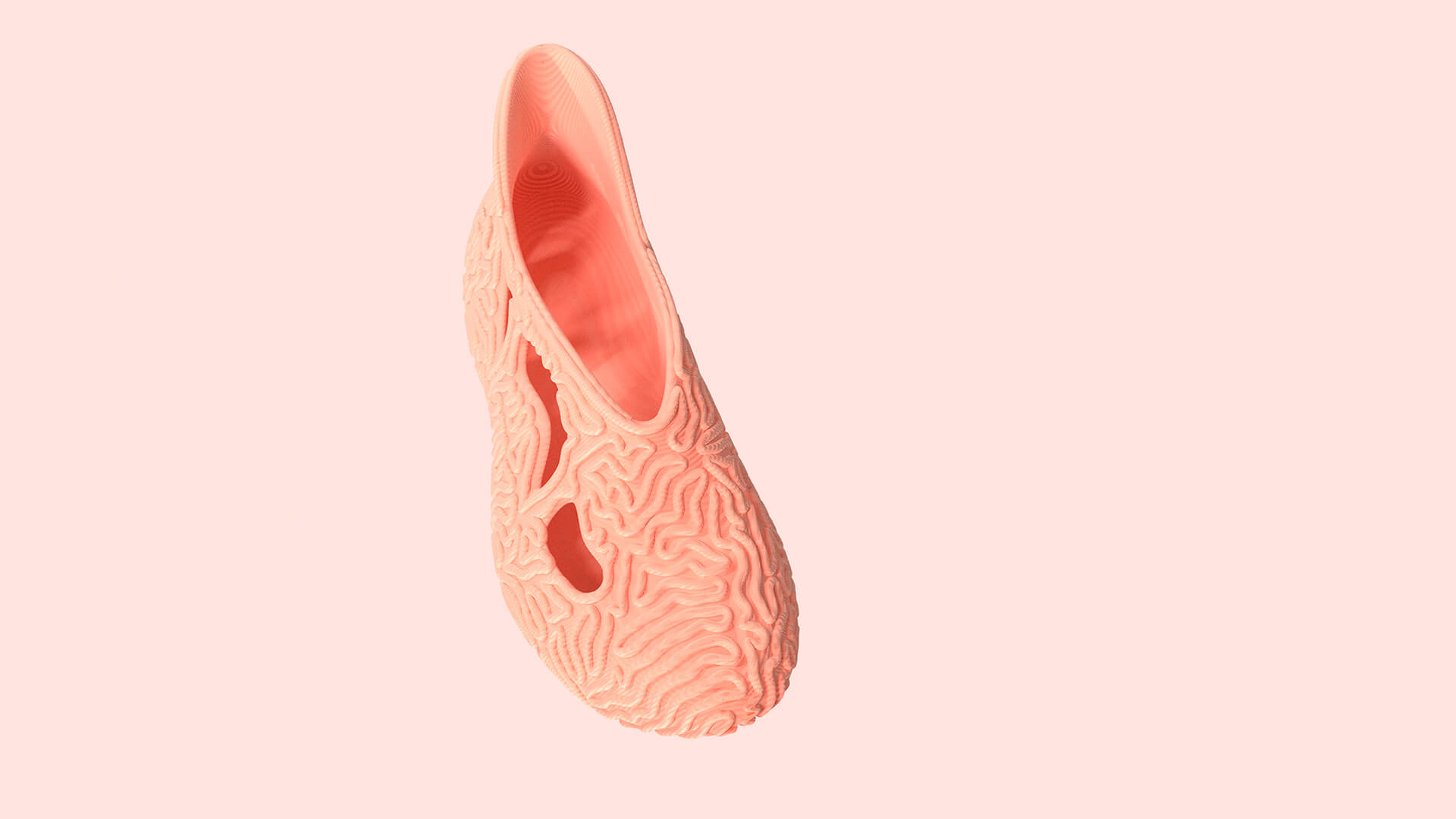
When corals shake a leg - The Coral Runner shoe
Sneakers have become an established part of our everyday life. At the same time however, the shoe industry is also confronted with a number of challenges. The Coral Runner, a unique shoe design by Singapore shoe designer Shun Pin Pek, shows how additive manufacturing can meet these challenges.
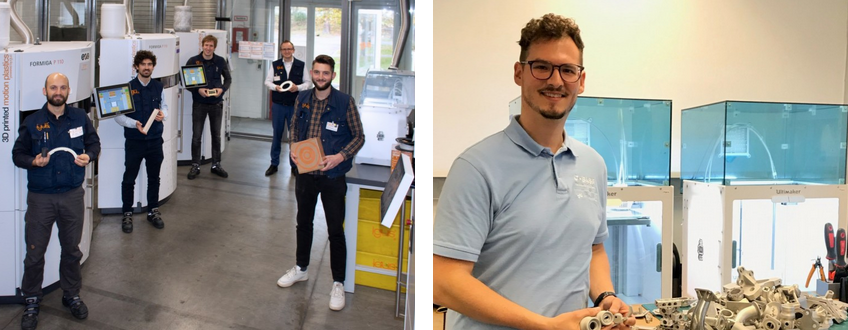
2020 unlocked inspiring, innovative, unexpected and game-changing applications for 3D printing
Ultimaker, the global leader in professional 3D printing, launched its inaugural Innovators List: a celebration of the most unexpected, game-changing and inspirational uses of 3D printing across business and education this year. While 2020 turned out to be a year of disrupted supply chains and lifestyles, working from home drove unexpected digital collaboration and strengthened creativity and innovation. The 2020 Innovator List includes more than 25 visionaries using 3D printing to transform the way people work, think, and live, from the development of face masks, the production of bionic prosthetics, motorcycle parts and bespoke lingerie.
Taking AIM on single-use plastics: metal 3D printed tooling solution designed to change the world… one paper cup at a time
An innovative Swedish company has used its expertise in applying electron beam melting technology to develop a new tooling concept for production of next generation molded fiber containers
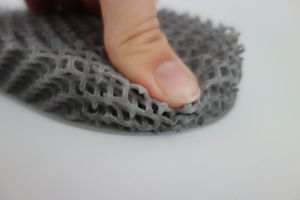
Additive Shoe Production 4.0: How powder-based 3D printing is revolutionizing the future of running
voxeljet High Speed Sintering: Polymer 3d printing for customized shoe components

Formnext 2020: Rethinking production - on the basis of additive, decentralised production
Production must become more digital, decentralised and flexible in order to be able to adapt to constantly changing market requirements and customer needs. Industrial 3D printing is the right choice for this.
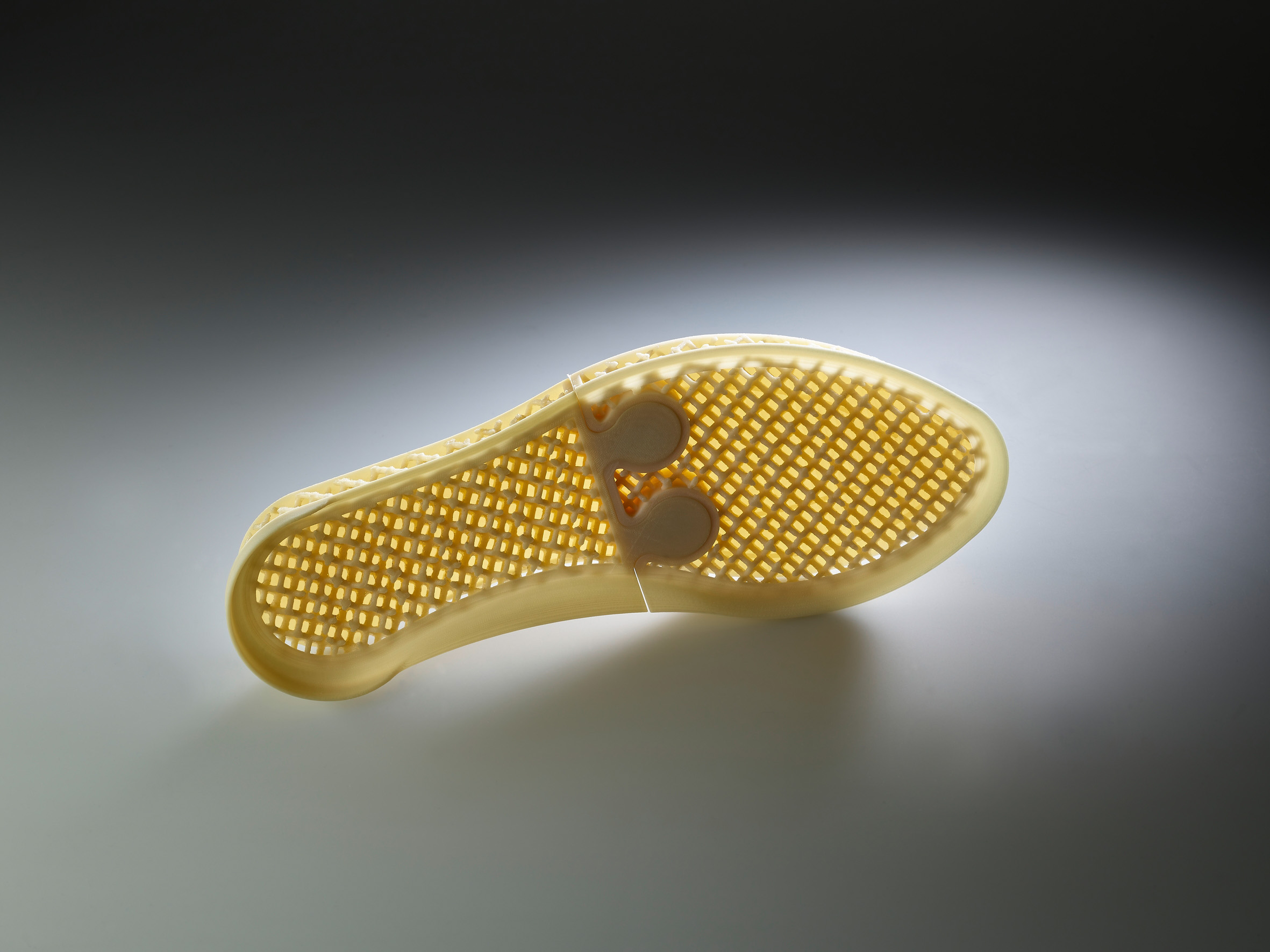
Arburg at Formnext Connect 2020: Freeformer processes soft materials
• APF process: Process original soft materials of virtually all Shore hardnesses
• Flexible and firm: Freeformer processes Hytrel® polyester elastomer from Dupont
• Functional: Resilient elastic prototypes for applications in the automotive industry
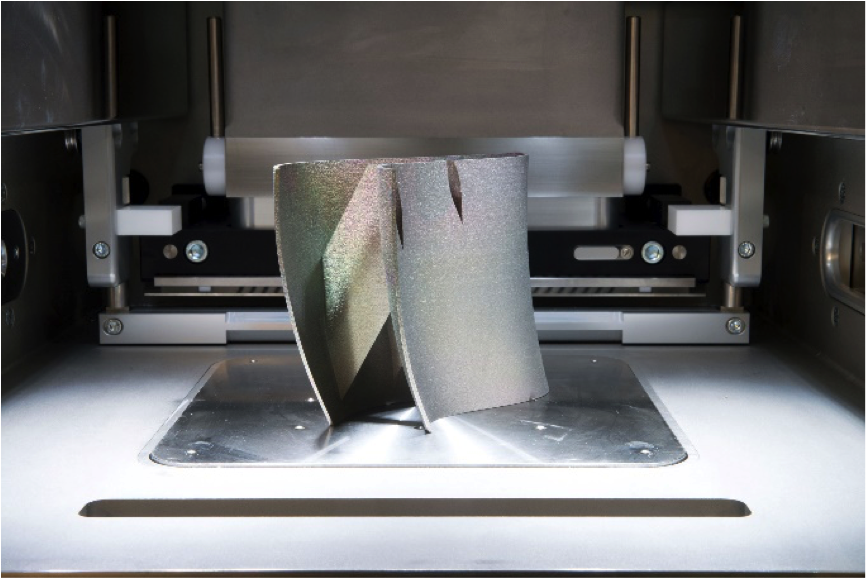
Requirements for laser scanners for additive manufacturing of metal parts
Additive metal manufacturing is extremely promising in terms of the production of components whose machining has so far been associated with high costs or was not possible at all with conventional manufacturing processes. In order to be able to produce components made of metal materials economically, industry and science are continuing to drive forward the development of metal additive processes. Innovative laser technology can help to improve the processes here. How can the enlargement of the laser field of view and optimum laser control support machine builders in achieving optimum additive manufacturing results? By William S. Land II, Business Development Manager at Aerotech, Inc.
Additive Manufacturing's Recipe for Innovation in Confectionaries
The Challenge
A startup confectionary company wanted to create personalized candies for a variety of purposes, like special events or corporate outings. To make their products, they needed to create custom molds for silicone casting.

Latest Sponsor News
Articles Most Read


Latest News


Statistics
- Articles View Hits
- 2709969
Who's Online
We have 73 guests and no members online